

Blog
5 Essential Steps for Proper Seed Storage
When it comes to seed preservation, proper storage techniques are crucial for maintaining seed health, stability, and longevity. Whether you’re storing seeds for breeding, genetic conservation, or future planting, following the proper practices ensures that your seeds remain viable for years to come. In this guide, we’ll explore the essential steps and best practices for seed storage to help you preserve your seeds properly. Additionally, it’s necessary to ensure that your storage methods comply with regulations, particularly when sourcing seeds from trusted suppliers such as Solfire Gardens or Exotic Genetix, which offer high-quality genetics. Let’s explore the five key steps to follow for long-term seed preservation.
Step 1 — Choose a Stable, Protective Container
Importance of Airtight Packaging
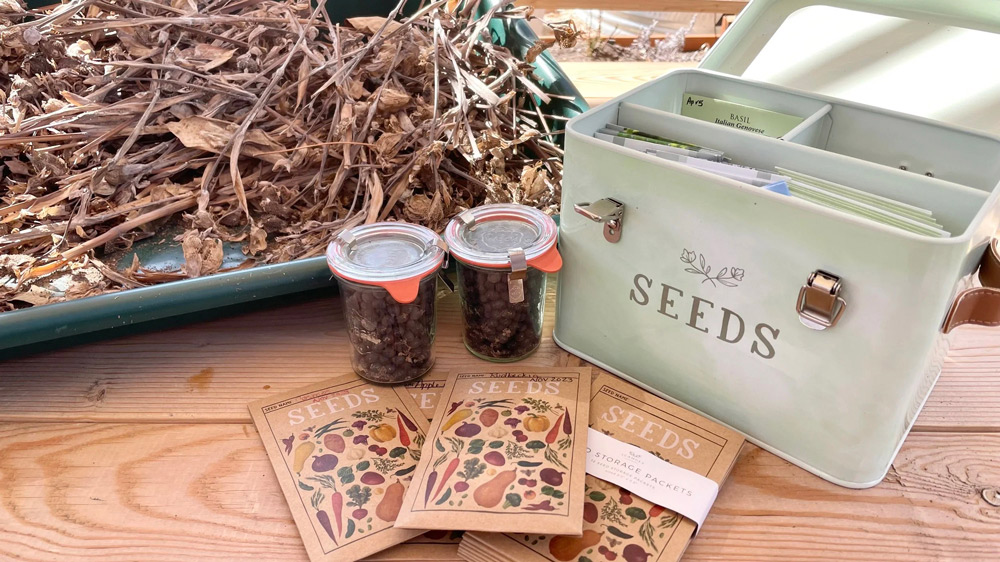
For proper seed storage steps, one of the most critical aspects is selecting the correct container. The container should be airtight to prevent air and moisture from degrading the seed’s integrity. Containers such as glass jars, plastic containers with tight lids, or moisture-resistant bags are ideal for preserving the health of the seeds.
Using improper packaging, such as simple paper bags or flimsy plastic, exposes seeds to harmful environmental factors, reducing their longevity.
Preventing Physical Damage and Contamination
Seeds are vulnerable to physical damage, which can compromise their viability and reduce their ability to germinate and grow. To avoid physical damage and contamination, always store seeds in robust and sealed containers. This protects seeds from breaking, crushing, or coming into contact with contaminants such as dust, fungi, or bacteria.
Step 2 — Control Moisture Levels
Why Dry Conditions Matter
Excess moisture is one of the most common causes of seed degradation. If seeds absorb too much moisture, they can begin to respire, promoting fungal growth or mold, which can significantly reduce the viability of seeds.
Keeping seeds in a dry environment is essential for preserving their stability. The ideal moisture content should be below 13%, and the relative humidity should remain between 25% and 40%.
Recommended Moisture-Management Methods
To maintain dry conditions, it’s recommended to place silica gel packets inside containers to absorb excess moisture. Additionally, using moisture-resistant packaging, such as vacuum-sealed bags or Mylar pouches, helps protect the seeds from humidity and moisture-related damage.
Step 3 — Maintain Cool, Consistent Temperatures
Temperature Stability
For optimal seed storage, maintaining consistent cool temperatures is vital. Seeds should be stored in an environment ranging from 2°C to 10°C (35–50°F). Temperature fluctuations can activate enzymes within seeds that degrade their viability over time.
For long-term seed storage, refrigeration or even freezing (at −18°C) can provide optimal conditions, similar to the standards used in genetic banks to preserve seeds for extended periods.
Avoiding Heat Fluctuations
Storing seeds in an environment with temperature fluctuations or exposure to direct heat can have adverse effects on their longevity. Stable, cool temperatures help ensure that seeds stay dormant and maintain their potential for future use.
Step 4 — Keep Seeds Away From Light
Effects of Light Exposure
Light exposure can trigger chemical reactions within seeds that accelerate aging and reduce seed quality. Light-sensitive seeds should be stored in dark environments to maintain their integrity.
When exposed to light, seeds may experience a reduction in viability and germination rates, making it essential to store them in opaque containers or use lightproof storage solutions.
Best Lightproof Storage Solutions
To prevent light exposure, opt for dark storage containers, metal cans, or opaque jars. Even transparent glass containers should be stored in dark areas to limit light exposure. Properly storing seeds away from light ensures their preservation over time.
Step 5 — Label and Monitor Stored Seeds
Tracking Age and Batches
Labeling containers is crucial to ensure that seeds are used within an appropriate time frame. Labeling your storage containers with storage dates, seed types, and batch numbers helps you keep track of the seeds’ age and condition. This practice ensures that seeds are used on time and don’t lose their viability.
Periodic Inspection for Long-Term Preservation
It’s essential to inspect stored seeds periodically, ideally every 6–12 months, to ensure they remain viable. Inspect the container for any signs of moisture, mold, or other indications of degradation. If you find any issues, such as changes in the moisture indicator or unpleasant smells, act immediately by drying the seeds or repackaging them. Regular inspection helps prevent major problems that could compromise seed viability.
Key Takeaways
- Proper seed storage steps involve managing three main factors: low moisture, stable temperatures, and dark conditions.
- Use airtight, moisture-resistant containers and consider adding silica gel to absorb excess moisture.
- Seeds should be stored in cool, stable temperatures, ideally between 2°C and 10°C (35–50°F). For long-term preservation, freezing at −18°C is the optimal method.
- Store seeds in opaque, lightproof containers to prevent degradation caused by exposure to light.
- Labeling and regular inspections are crucial for maintaining seed viability and preventing damage.
FAQ – Common Questions about Seed Storage
Q1: Why is proper seed storage necessary?
A1: Proper storage helps maintain seed stability, genetic integrity, and longevity over time by protecting them from environmental stresses such as humidity, heat, light, or physical damage.
Q2: What is the ideal temperature for storing seeds?
A2: For most seeds, a calm, stable environment between approximately 2°C and 10°C (35–50°F) is recommended. For long-term genetic preservation, freezing (e.g., −18°C) may be optimal.
Q3: Does moisture affect seed longevity?
A3: Yes. Excess moisture can damage seeds, trigger unwanted biological activity or fungal growth, and reduce seed viability. Dry, controlled humidity levels (typically below ~13% internal moisture, or RH below ~25–40%) are recommended.
Q4: Should seeds be stored in the dark?
A4: Yes. Light exposure can compromise seed quality; therefore, seeds should be stored in opaque or lightproof containers within a dark storage area.
Q5: How long can seeds stay viable in storage?
A5: It depends on species, genetics, and storage conditions. Under ideal conditions — cool, dry, dark, sealed — many seeds can remain viable for several years. However, no universal timeframe applies to all seed types.