



Blog
Czech 2026 Cannabis Reform: Decriminalization vs. Legalization

The landscape of cannabis policy in Czechia (Czech Republic) is undergoing significant shifts as the country prepares for cannabis reform in 2026. The debate between decriminalization and full legalization is a pivotal topic for lawmakers, citizens, and cannabis advocates alike. This reform could set a precedent for the rest of Europe, particularly in the broader conversation about drug policy and cannabis legalization. This article outlines the key aspects of the 2026 reform, the implications of decriminalization, and how Czechia’s approach compares with other European nations such as Germany and Malta.
Timeline of Cannabis Policy in Czechia (2010–2026)
From Partial Tolerance to Official Reform
Since the early 2010s, Czechia has gradually evolved its stance on cannabis use. Cannabis was partially decriminalized in 2010, marking a shift from punitive measures to a more tolerant approach for personal use. Under the existing laws, possession of small amounts of cannabis (up to 15 grams) for personal use is no longer considered a criminal offense, although it can still result in fines or administrative penalties. However, cultivation and distribution remain highly regulated.
In 2021, a landmark proposal was introduced to push for broader reforms, aligning Czechia more closely with other European countries advocating cannabis liberalization. By 2026, the government aims to implement comprehensive reforms that will significantly expand the scope of cannabis use, focusing on harm reduction, personal responsibility, and social equity.
What “Decriminalization†Actually Means in Czech Law
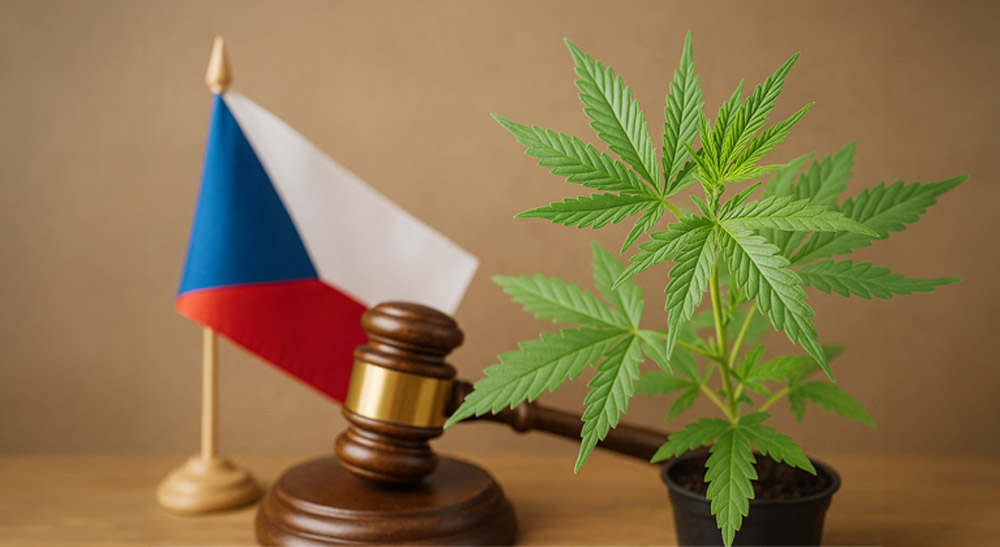
Decriminalization does not mean full legalization, and this distinction is crucial for understanding the current and planned reforms in Czechia. Under the planned 2026 reform, cannabis will not be fully legalized; instead, the government will implement decriminalization measures that make possession and personal cultivation no longer criminal offenses, but still subject to administrative penalties.
Personal Possession and Home Cultivation Limits (3 Plants, 25g/100g)
One of the core components of decriminalization in Czechia is the provision for personal possession and home cultivation. The law will allow individuals to possess up to 25 grams of cannabis for personal use, with a limit of 100 grams for home storage. Additionally, citizens will be permitted to grow up to three cannabis plants at home for personal consumption. While these limits are generous compared to some European counterparts, they still do not provide the full freedom that would come with legalization.
Administrative vs. Criminal Penalties
Under Czech law, administrative penalties will replace criminal charges for the possession of small amounts of cannabis. This means that individuals caught with cannabis can expect fines or other non-criminal penalties, rather than facing criminal prosecution that could result in jail time. This shift from criminal to administrative penalties aims to reduce the strain on the criminal justice system while still discouraging misuse. However, possession of amounts exceeding the set limits or any sale of cannabis will still result in criminal penalties.
Why It’s Not Legalization (Yet)
While the 2026 reform represents a significant shift in Czech cannabis policy, it is important to understand that full legalization is not part of the reform. The key issue here is the lack of a legal market for cannabis, meaning that there will be no authorized sales or distribution channels for cannabis products.
No Legal Market, No Sales, No Clubs
Despite the decriminalization of possession and cultivation, there will be no legal cannabis market for consumers. This means that citizens will still have to rely on their personal cultivation limits or illegal sources for cannabis. The government has made it clear that the focus is on harm reduction and public health, not on creating a commercial market for cannabis, at least in the short term.
Similarly, there will be no cannabis clubs or public consumption spaces permitted under the new law. While this may resemble policies in countries like Germany or Malta, which have embraced certain forms of legal cannabis use in private spaces, Czechia will continue to prohibit public use and the establishment of private cannabis consumption clubs under its current decriminalization framework.
Government Goals: Public Health, Not Commercialization
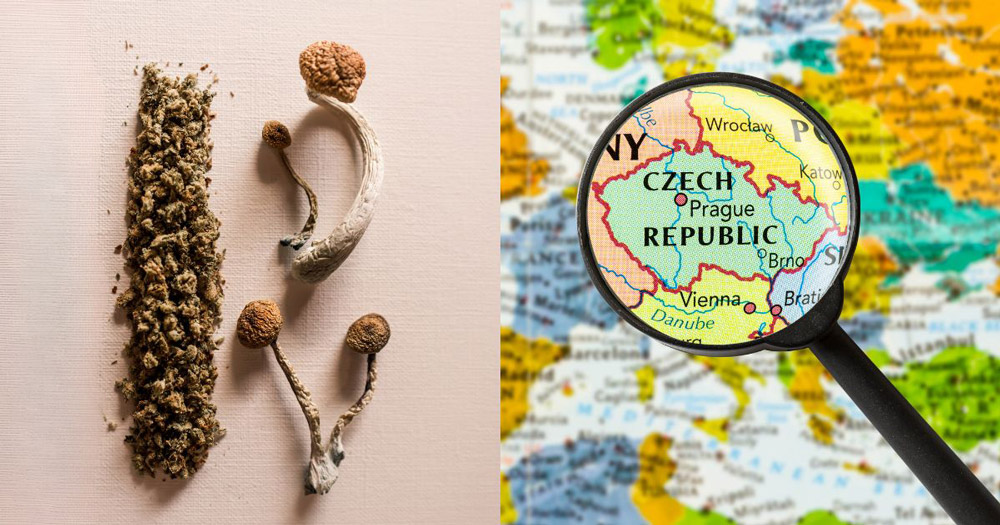
The Czech government’s cannabis reform agenda for 2026 is driven by a focus on public health rather than economic commercialization. The primary aim is to minimize the harms associated with cannabis use while preventing the creation of a commercial market that could lead to issues such as overconsumption, under-regulation, or exploitation of vulnerable individuals. This distinction between harm reduction and commercial interests sets Czechia apart from countries that have fully embraced the cannabis market as a new industry.
Public Reaction and Comparison with Germany and Malta
Public reaction to the planned reforms in Czechia has been mixed, with advocates calling for broader access and legalization, while opponents warn about potential public health risks. The Czech government’s approach is often compared to other European nations, such as Germany and Malta, that have made strides in cannabis policy reform.
In Germany, cannabis is set to be fully legalized under the new Cannabis Law (CanG), which is expected to create a regulated market with cannabis sales in licensed stores. In contrast, Malta has embraced decriminalization and limited legalization by allowing cultivation and distribution within a strict regulatory framework. Czechia, like Malta, is focusing on public health first and remains in the early stages of broader reforms.
Outlook for 2026 and Beyond — Potential Next Steps
As the 2026 reform looms, several potential paths forward for Czech cannabis policy emerge. The primary focus in the coming years will be to assess the impact of decriminalization, with particular attention paid to public health outcomes, law enforcement efficiency, and societal acceptance.
Will Czechia Move Towards Full Legalization?
Although full legalization is not part of the 2026 reform, there is potential for future steps toward a fully regulated cannabis market. The success of decriminalization could open the door for further reforms, including the establishment of legal cannabis sales, clubs, and a more open market. However, any move toward legalization would need to be carefully considered, with input from public health experts, law enforcement, and the public.
In the long term, the government could introduce further reforms based on the lessons learned from decriminalization. However, any changes would likely be gradual and subject to public scrutiny and ongoing evaluation.
Key Takeaways
Czechia’s 2026 cannabis reform represents a significant shift in the country’s approach to drug policy, focusing on decriminalization rather than full legalization. While the law will allow personal possession and cultivation, the government has opted not to create a commercial market for cannabis. The reform aims to reduce public health risks while balancing personal freedom with social responsibility.
For those in Czechia and beyond, the planned reforms highlight an evolving conversation around cannabis in Europe. As the Czech Republic continues to shape its cannabis policy, many will be watching closely to see how this model of decriminalization and harm reduction develops in practice.
FAQs
Is cannabis legal in the Czech Republic?
Cannabis remains illegal for commercial use in Czechia, but is decriminalized for personal possession and cultivation within certain limits.
What changes will take effect in 2026?
In 2026, Czechia plans to introduce decriminalization for personal use, allowing for limited possession and home cultivation but no legal sales or cannabis clubs.
Can you grow cannabis at home in Czechia?
Yes, under the planned reforms, Czech citizens will be allowed to grow up to three cannabis plants at home for personal use.
In House Genetics, Relentless Genetics, Compound Genetics
When discussing cannabis reform and cultivation in Czechia, it is also important to mention key players in the genetics and cultivation sector, such as In House Genetics, Relentless Genetics, and Compound Genetics. These companies specialize in breeding and developing premium cannabis strains, ensuring high-quality products for personal and commercial use. However, under the decriminalization model, their activities would still be confined to non-commercial purposes, with cultivation limited to personal use.