



Blog
The Netherlands’ Cannabis Pilot Program: From Tolerance Policy to a Regulated Supply Chain

The cannabis pilot program in Netherlands marks a pivotal evolution in the country’s longstanding approach to cannabis regulation, bridging the gap between decades of tolerance and a fully controlled supply chain. As the global cannabis landscape shifts toward legalization, this initiative stands out for its methodical, evidence-based design. For enthusiasts and cultivators alike, it opens discussions on high-quality strains, where breeders draw from established lines such as In house genetics, Relentless Genetics, and Compound Genetics to ensure premium results in controlled environments. This program not only addresses public health and safety but also sets a precedent for cannabis legalization in Europe, potentially influencing policies across the continent.
Historical Context: The Dutch Tolerance Policy
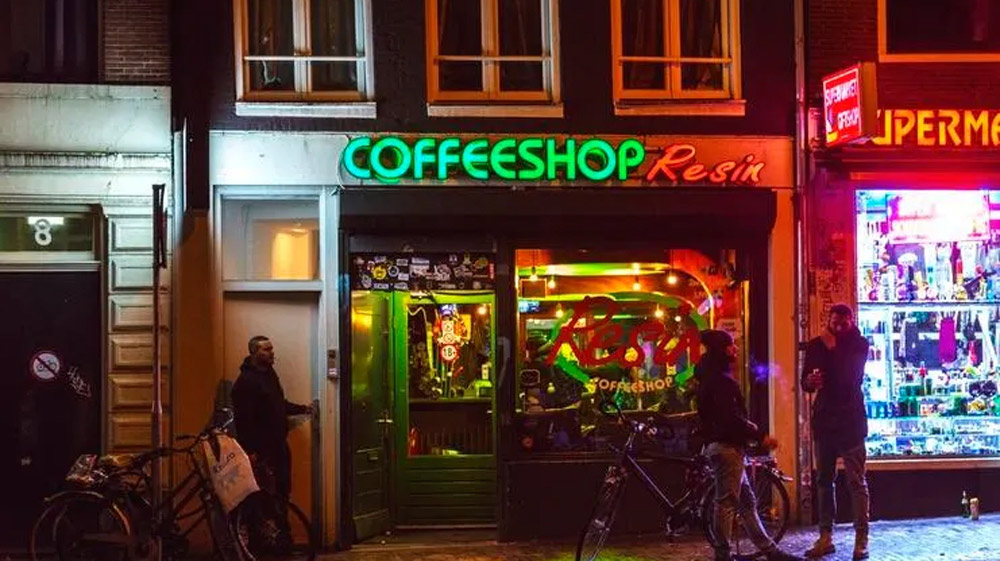
To understand the cannabis pilot program in Netherlands, it’s essential to revisit the country’s unique tolerance policy, which has shaped its cannabis culture since the 1970s. The Dutch coffee shops law, rooted in the 1976 Opium Act, established a pragmatic separation between “soft” drugs like cannabis and “hard” drugs such as heroin or cocaine. This policy aimed to reduce harm by decriminalizing small-scale possession and sales in designated “coffeeshops,” where adults could purchase up to 5 grams per day without fear of prosecution. The rationale was simple: by tolerating cannabis use in controlled settings, the government could prevent users from turning to illicit markets intertwined with more dangerous substances.
However, this tolerance created a notorious “back door” problem. While front-door sales in coffeeshops were permitted under strict conditions—no advertising, no sales to minors, no hard drugs—the supply chain remained illegal. Growers and suppliers operated in the shadows, leading to inconsistencies in product quality, potential health risks from contaminants, and involvement of organized crime. Over time, this gray area contributed to public order issues, including nuisance around coffeeshops and underground cultivation that strained law enforcement resources. By the 2010s, growing public pressure and evidence of these drawbacks prompted calls for reform, setting the stage for a more regulated framework.
In the broader context of cannabis legalization in Europe, the Netherlands has long been a pioneer, but not without criticism. Countries like Portugal decriminalized all drugs in 2001, focusing on health over punishment, while Germany moved toward partial legalization in 2024, allowing personal cultivation and social clubs. The Dutch model, however, emphasized harm reduction through tolerance rather than full legalization, influencing neighbors but also highlighting the need for evolution as European nations grapple with rising cannabis use and black-market challenges.
Launching the Pilot: The Controlled Cannabis Cultivation in Netherlands
The cannabis pilot program in Netherlands, officially known as the Controlled Cannabis Supply Chain Experiment (or Wietexperiment), was first proposed in 2017 as part of a coalition government agreement. Administered by the Ministry of Health, Welfare and Sport alongside the Ministry of Justice and Security, this Ministry of Health pilot project aims to test whether a closed, regulated supply chain can mitigate the issues of the tolerance era. The experiment seeks to regulate every step—from cultivation to distribution and retail—while monitoring impacts on crime, public health, and market dynamics.
After several delays due to logistical and legal hurdles, the program launched its initial phase in December 2023 in the cities of Breda and Tilburg. In this transitional period, participating coffeeshops could sell both tolerated (illicitly sourced) and regulated cannabis, allowing a gradual shift. By June 2024, the program expanded to eight additional municipalities, including Arnhem, Groningen, and Maastricht, bringing the total to 10. As of April 2025, these areas transitioned to exclusively selling legally grown cannabis, with around 80 coffeeshops involved.
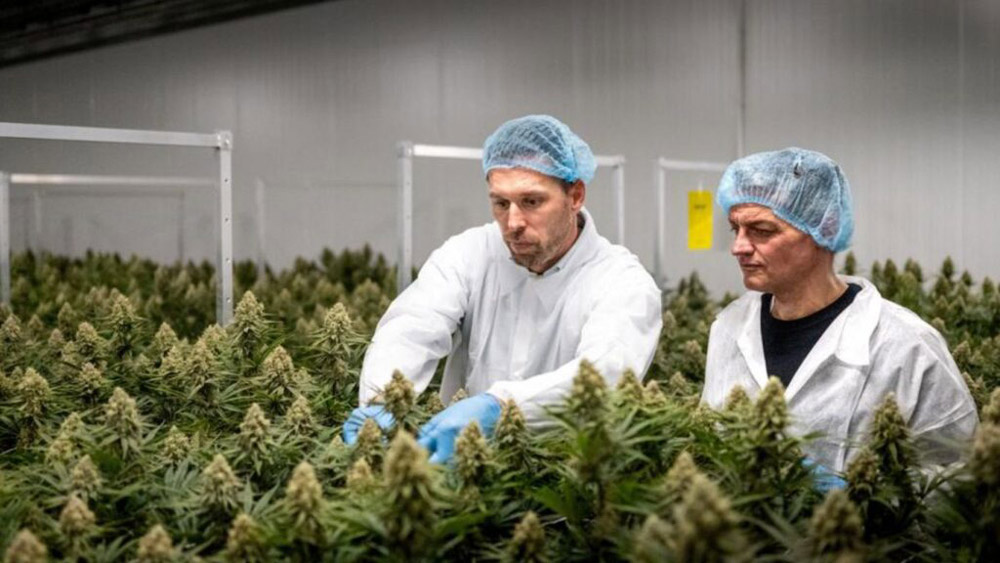
Central to the controlled cannabis cultivation in Netherlands are the 10 licensed growers selected through a rigorous process, including integrity screenings and a lottery system. These producers must adhere to strict quality standards: cannabis is tested for THC/CBD levels, contaminants, and potency, ensuring consumer safety. Cultivation occurs in secure facilities with government oversight, eliminating the risks of unregulated grows. Products are packaged with clear labeling, including strain information and health warnings, similar to pharmaceutical standards. This approach not only legalizes the “back door” but also promotes transparency, potentially reducing black-market infiltration.
The program’s design is multifaceted. Municipalities were chosen for diversity—urban vs. rural, border vs. inland—to provide comprehensive data. Coffeeshops must track sales digitally, and researchers from institutions like Trimbos Institute monitor outcomes through surveys on user behavior, health impacts, and crime rates. Initial reports from 2025 indicate smooth implementation: no significant spikes in public nuisance, stable prices (around €10-15 per gram), and positive feedback from shop owners on product consistency.
Implications for Public Health and Safety
One of the core objectives of the Ministry of Health pilot project is safeguarding public health. Under the old tolerance policy, unregulated cannabis often contained pesticides, mold, or synthetic additives, posing risks like respiratory issues or contamination-related illnesses. The regulated chain ensures lab-tested products, with limits on THC potency (typically 15-20%) to discourage high-strength variants that could exacerbate dependency. Education campaigns accompany the program, informing users about responsible consumption and potential mental health effects, aligning with Europe’s broader push for harm reduction.
On the safety front, the Dutch coffee shops law has historically been linked to organized crime due to illicit supply. The pilot aims to dismantle this by creating a legal alternative, potentially reducing grow-house fires, thefts, and gang violence. Early data from Breda and Tilburg shows a decline in reported cannabis-related crimes, though long-term evaluation is needed. For border towns like Maastricht, the program includes residency requirements to curb “drug tourism,” addressing cross-border issues with neighboring countries.
In the context of cannabis legalization in Europe, this experiment could serve as a blueprint. If successful, it might encourage nations like France or Spain, where home cultivation is tolerated but commercial sales are restricted, to adopt similar regulated models. Critics, however, worry about increased youth access or normalization of use, prompting ongoing debates in the European Parliament.
Economic and Industry Perspectives
Economically, the controlled cannabis cultivation in Netherlands fosters a legitimate industry. Licensed growers invest in advanced techniques, from hydroponics to genetic selection, boosting employment in agriculture and quality control. Coffeeshops benefit from reliable supply, reducing shortages and price volatility. The government anticipates tax revenues from sales, though the pilot prohibits profits from exceeding operational costs to maintain focus on experimentation.
For the global cannabis market, this program highlights the importance of genetics in regulated systems. High-quality strains ensure consumer satisfaction and compliance, drawing from diverse lineages to offer indica, sativa, and hybrid options. This ties into broader trends where seed banks emphasize viability and yields, much like those discussed in cultivation guides.
Challenges and Future Outlook
Despite its promise, the cannabis pilot program in Netherlands faces hurdles. Supply chain logistics, such as transportation security and inventory tracking, require robust systems to prevent diversion. Some growers report high compliance costs, and coffeeshops in non-participating areas fear competitive disadvantages. Additionally, the four-year experimental phase (ending around 2029) includes a potential extension, with full evaluation determining nationwide rollout.
Looking ahead, success could lead to permanent legalization, integrating cannabis into the Dutch economy while prioritizing health. For Europe, it underscores a balanced approach: neither prohibition nor unchecked commercialization, but regulated tolerance.
In summary, the cannabis pilot program in Netherlands transforms a policy of ambiguity into one of accountability. By addressing the Dutch coffee shops law’s inconsistencies through controlled cannabis cultivation, it paves the way for safer, more transparent access. As the Ministry of Health pilot project unfolds, it not only refines national strategies but also contributes to the evolving dialogue on cannabis legalization in Europe.