
Blog
Cannabis Use Laws in Malta: From CHRA Possession Caps to Penalties for Public Odour Nuisance
From CHRA Possession Caps to Penalties for Public Odour Nuisance
Overview of Malta’s Cannabis Legislation (2021–2025)
Malta holds the distinction of being the first European Union member state to formally legalise the limited possession and cultivation of cannabis for personal use. The country’s 2021 reform, enacted under the Responsible Cannabis Use Act, marked a historic departure from the continent’s traditional criminalisation model. While nations such as Germany, the Czech Republic, and Switzerland continue to debate or pilot reforms, Malta has already laid down a working framework designed around harm reduction, personal responsibility, and public order.
The reform allows adults aged 18 and over to possess and cultivate small quantities of cannabis for personal use. Yet, Malta’s approach is far from permissive. It is a controlled and data-driven model anchored in harm reduction rather than economic opportunity. The government’s creation of Cannabis Harm Reduction Associations (CHRAs) reflects a strategic shift towards transparency, state oversight, and community accountability.
The Birth of CHRA (Cannabis Harm Reduction Associations)
The CHRA framework represents the core of Malta’s cannabis system. These associations are non-profit entities, registered and licensed by the Authority for the Responsible Use of Cannabis (ARUC). The authority acts as the national regulator, overseeing licensing, compliance, and reporting. ARUC’s role is to ensure that every gram distributed can be traced back to a legal, transparent source.
Each CHRA must adhere to strict governance standards: members must be Maltese residents over 18, registration lists must be confidential but auditable, and all transactions must be recorded. Cannabis may be grown and distributed exclusively within the CHRA network, eliminating the “grey market†that often accompanies decriminalisation. The associations are not allowed to advertise or promote their activities; their mission is harm reduction, not consumption encouragement.
ARUC periodically publishes anonymised data on the volume of legal cannabis circulated through CHRAs. This data-driven transparency helps the government monitor social trends, adapt public health strategies, and assess whether the reform achieves its stated goals —
reducing illicit trade and ensuring safe, measured access.
CHRA Possession Limits — How the Caps Work
Daily and Monthly Limits (7g/day, 50g/month)
Under Maltese law, adults may legally possess up to 7 grams of cannabis in public and store up to 50 grams at home. These thresholds are firm and widely understood. Minor administrative penalties may apply for slight overages, but exceeding these limits or sharing with non-members is treated as an offense.
CHRAs are designed to enforce these restrictions digitally. Members cannot exceed their monthly quota of 50 grams, and each transaction is recorded in a confidential database accessible to regulators. This tracking system prevents stockpiling and encourages responsible,
moderate consumption — principles central to Malta’s reform.

Cultivation Rights (4 Plants per Household)
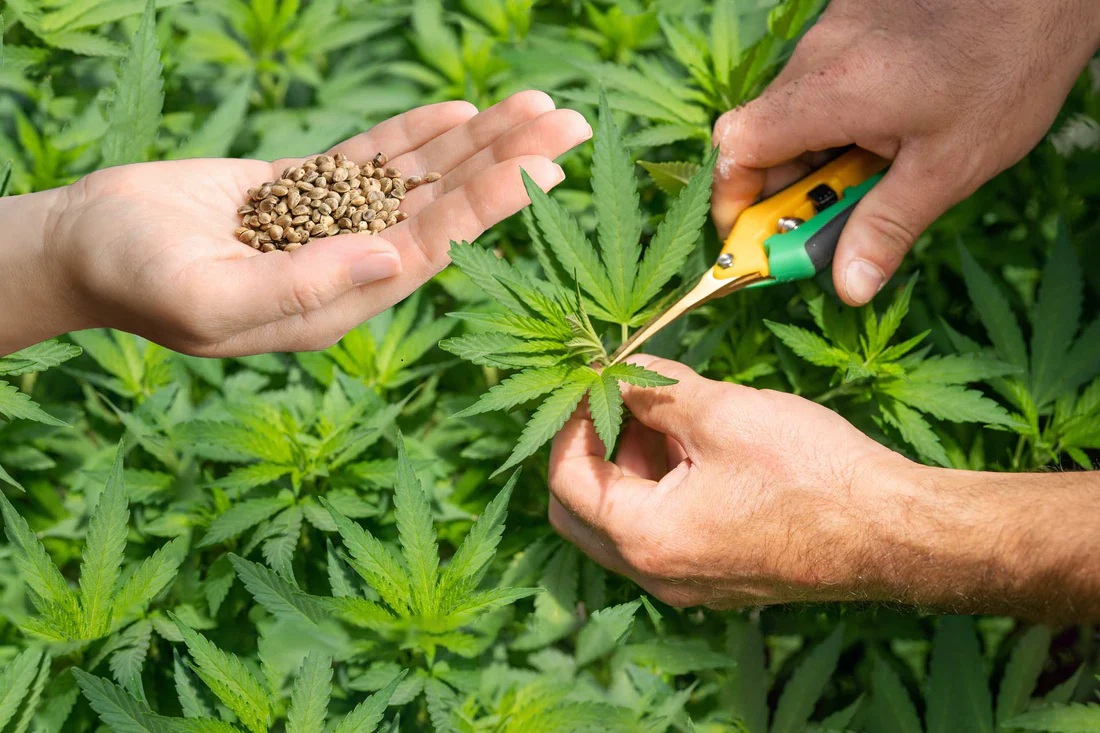
Malta also permits individuals to grow up to four cannabis plants per household for personal use. Cultivation must take place in private spaces, out of public sight, and any harvest must be stored securely at home. Selling, gifting, or sharing homegrown cannabis remains illegal. This rule reflects the government’s balancing act: respecting personal autonomy while preventing the creation of unregulated markets.
The “Odour Nuisance†Rule — Why Smell Is Penalised
Public vs Private Spaces: How Enforcement Works
Perhaps the most debated feature of Malta’s law is the “odour nuisance†clause, which bans cannabis odour from drifting into public or neighbouring areas. The government introduced this clause to protect public comfort and prevent complaints from non-users, particularly in Malta’s densely populated urban areas, where homes and balconies are closely spaced.
While private use is legal within one’s residence or CHRA premises, public consumption remains prohibited. Enforcement relies largely on community reporting and police discretion. Offenders typically face fines between €50 and €100, depending on the severity or recurrence of the violation. Authorities stress that enforcement is not about repression, but about maintaining social order in shared environments.
Cultural Context and Common Offences
The odour rule was introduced after public consultations showed widespread concern about smells in residential areas. Malta’s compact geography amplifies such issues; unlike larger countries, there are few secluded outdoor spaces. As a result, people smoking on balconies or terraces can easily affect neighbours. Common offenses include public smoking near schools, parks, or communal housing, where complaints are frequent. Repeat offenders can face escalating fines, though no criminal charges.
Responsible Consumption and Community Impact
Why Malta Focuses on Social Responsibility, Not Criminalisation
Malta’s reform rests on a simple yet progressive principle: acknowledge consumption, manage it responsibly. Instead of punitive measures, the law emphasises education, quality control, and self-regulation through associations. CHRAs distribute information on dosage, storage, and mental health risks, aligning cannabis use with broader public health strategies.
The reform also channels police resources away from minor possession cases towards organised crime and trafficking. This redirection of enforcement is one reason why Malta’s model has drawn interest from policymakers across Europe. The ARUC works closely with the Ministry for Home Affairs and the Health Department to monitor the social outcomes of the reform, including impacts on youth and neighbourhood safety.
Public education campaigns highlight responsible behaviour: avoiding use around minors, never driving under the influence, and respecting neighbours’ space. This combination of freedom and accountability underpins Malta’s shift from criminalisation to civic responsibility.

Key Takeaways for Residents and Travellers
For residents, Malta’s cannabis legislation offers clarity and autonomy — provided they stay within possession and cultivation caps and respect the public odour rules. Travellers, however, must remember that:
- Possession is legal only for Maltese residents and registered CHRA members.
- Importing or exporting cannabis remains strictly prohibited.
- Public use or any form of odour nuisance is subject to fines.
Despite its liberal reputation, Malta is not a cannabis tourism destination. The framework was built for residents, not visitors. Authorities have repeatedly warned that tourists caught possessing cannabis without a CHRA membership face confiscation and penalties.
Comparative Perspective: Malta, Austria, and Beyond
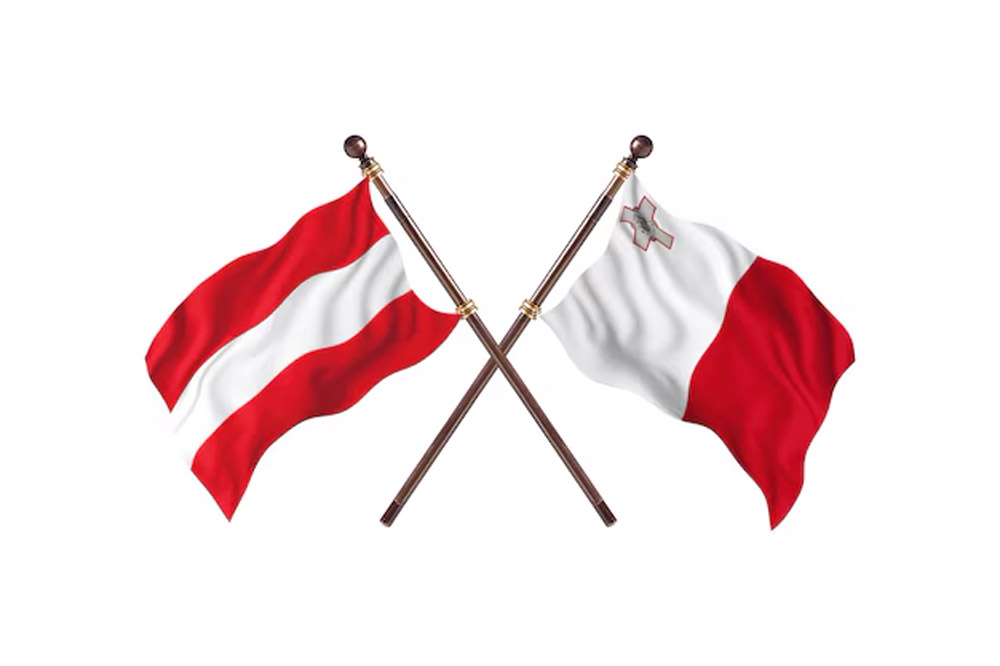
From an Austrian or broader EU perspective, Malta’s approach represents a regulatory breakthrough. Whereas Austria continues to treat THC-rich cannabis as a controlled narcotic under the Suchtmittelgesetz (SMG), Malta regulates possession and cultivation transparently through associations. The Austrian system permits only industrial hemp and low-THC CBD, while public discourse remains cautious about legalisation.
In contrast, Malta’s model replaces tolerance with structure. Every gram is accounted for, every member registered, and every violation subject to proportional penalty. Germany’s CanG and Malta’s CHRA share philosophical roots — both seek to undermine illicit markets — but differ in scale and implementation. Germany focuses on clubs and federal harmonisation, while Malta, a smaller island state, relies on community-based micro-regulation.
This juxtaposition is instructive for EU policymakers. Malta’s success or failure will likely influence legislative momentum elsewhere. If it sustains low public disturbance and high compliance, it could become a template for small European jurisdictions considering regulated personal use without commercialisation.
Conclusion: Balancing Liberty, Health, and Public Order
Malta’s cannabis reform is neither permissive nor moralistic. It is a deliberate attempt to balance personal liberty, public health, and collective comfort. Through CHRAs, strict possession caps, and odour rules, Malta demonstrates that legalisation can coexist with social discipline.
For European observers — particularly in Austria, where debates about CBD, THC, and medical cannabis remain contentious — Malta offers a live example of how regulation can replace repression without fuelling chaos. It reframes the question from “Should cannabis be legal?†to “How can it be responsibly managed?â€
As the rest of Europe experiments with partial legalisation, Malta stands as a small yet significant case study: proof that pragmatic governance and respect for public order can reshape cannabis policy for the modern era.
Disclaimer:
This article is for informational purposes only. It does not promote, encourage, or facilitate the use, purchase, or cultivation of cannabis. Readers should refer to official Maltese government publications or the ARUC website for the most current legal guidance.