


Blog
Natural Benefits of CBD and CBG

For genetics-focused brands like Cipher Genetics and Solfire Gardens, cannabinoid science is more than a marketing trend; it is the foundation for responsible product development in regulated markets. As the industry moves beyond THC-centric narratives, understanding the natural benefits of CBD and CBG has become essential for R&D teams, buyers, and decision-makers who want evidence-aware, compliant strategies around non-intoxicating cannabinoids.
Disclaimer: This article is for general informational purposes only and does not constitute medical, legal, or financial advice. CBD, CBG, and other cannabinoids are regulated differently across jurisdictions. Readers are fully responsible for complying with all applicable laws and should consult qualified professionals before making decisions related to cannabinoid products.
Understanding CBD and CBG
What CBD Is
Cannabidiol (CBD) is a non-intoxicating cannabinoid found in the cannabis plant. Unlike THC, it does not produce a classic “high”, which is why it is often grouped among non-psychoactive cannabinoids, even though it can still influence mood and physiology. CBD has been studied in contexts such as treatment-resistant epilepsy, anxiety, pain, and sleep. Still, outside a few narrow indications, most CBD wellness research remains preliminary and does not justify broad health claims.
What CBG Is
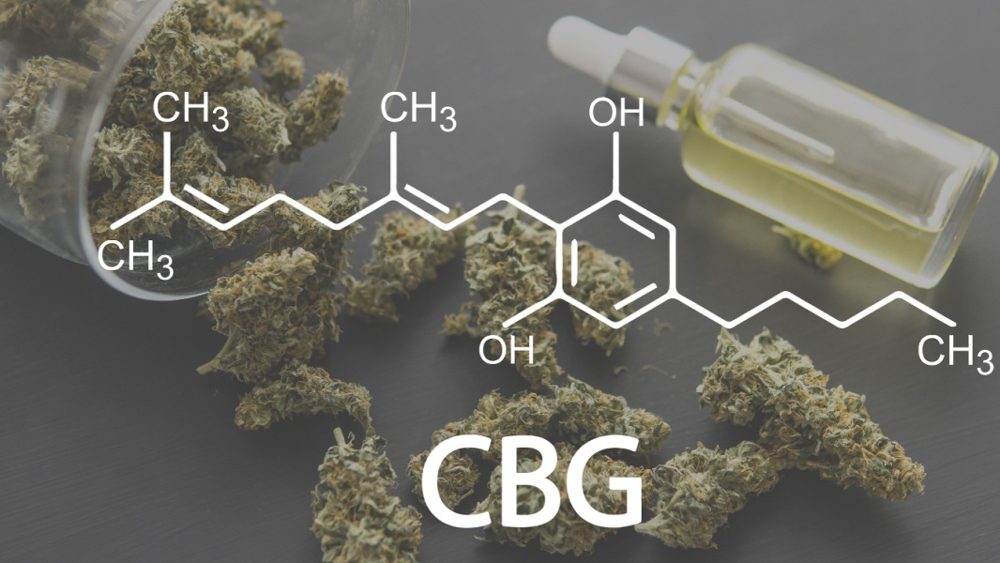
Cannabigerol (CBG) is sometimes called the “mother cannabinoid” because it is a biochemical precursor to several others, including CBD and THC. In most mature plants, CBG appears at relatively low levels, which is why it has only recently begun to receive attention. Early work on CBG benefits suggests potential anti-inflammatory, neuroprotective, and antibacterial properties, primarily based on cell and animal studies rather than large-scale human trials, making it an emerging research focus.
How They Differ in Biological Activity
When comparing the effects of CBD and CBG, both are non-intoxicating but interact differently with the endocannabinoid system. CBD has a relatively low binding affinity for CB1/CB2 receptors and appears to modulate multiple pathways indirectly, including those involving serotonin and TRPV receptors. CBG appears to bind more directly to cannabinoid receptors and may influence inflammatory and oxidative stress mechanisms in distinct ways. These differences are one reason cannabinoid health insights increasingly focus on how CBD and CBG might complement each other in future research and formulation work.
Potential Natural Benefits of CBD
Areas of Research
Current literature on CBD benefits covers several main areas:
- Seizure disorders – Highly purified CBD has demonstrated efficacy for specific rare epilepsy syndromes in rigorous trials and has been approved as a medicine in some markets.
- Anxiety and stress – Small human studies suggest CBD may reduce subjective anxiety in specific controlled settings, but optimal dosing, long-term safety, and generalisability are still being investigated.
- Pain and inflammation – Preclinical work and early clinical data suggest that CBD may modulate inflammatory signaling and pain pathways; however, large, definitive clinical trials are still limited.
The key message is that the benefits linked to CBD, as well as those of natural cannabinoids, are promising but not conclusive. Overstating outcomes or presenting CBD as a universal solution carries both scientific and regulatory risk.
Non-intoxicating Profile and Safety Considerations
From a regulatory and brand-safety perspective, one of the most relevant properties of CBD is that it is non-intoxicating: it does not cause the psychoactive effects associated with THC. Major reviews describe CBD as generally well-tolerated at a wide range of doses when used under controlled conditions.
However, “non-intoxicating” does not mean “risk-free”. CBD can interact with other medications and may cause side effects such as fatigue or gastrointestinal issues in some individuals. Regulators have also raised concerns about inconsistent product quality, mislabelling, and unverified concentrations in poorly regulated markets.
For companies, robust quality control, transparent lab testing, and conservative claims are just as crucial as understanding the potential anti-inflammatory properties of CBD.
Potential Natural Benefits of CBG
Unique Cannabinoid Profile
Compared to CBD, CBG has a smaller but rapidly growing research base. As a minor cannabinoid and biosynthetic precursor, it has become a target for specialised breeding and extraction strategies. For innovation-driven brands and breeders, CBG’s potential benefits are particularly relevant where differentiation and targeted functionality are priorities.
Ongoing Scientific Studies and Safety Expectations
Current research on CBG benefits focuses mainly on:
- Inflammation and tissue response – CBG has been associated with reduced inflammatory markers and improved tissue outcomes in some preclinical models.
- Neuroprotection – Laboratory studies suggest potential protective effects against certain forms of neuronal stress, though human data remain limited.
- Antibacterial actions – In vitro studies indicate activity against selected bacteria, which may warrant further investigation.
Safety data for CBG in humans are much less extensive than for CBD. The responsible position is to treat CBG as a promising research candidate and communicate its profile cautiously, without implying established clinical benefits.

CBD vs CBG – Complementary Cannabinoids
Roles in Current Research
In practice, CBD and CBG overview discussions often come back to evidence depth and application focus:
- CBD has a broader clinical and real-world evidence base, particularly in neurology and anxiety-related research.
- CBG is at an earlier stage, with emphasis on inflammation, neuroprotection, and gut-related models.
For product strategists, CBD is typically the anchor non-intoxicating cannabinoid, while CBG is positioned as an innovative complement rather than a direct alternative.
Why Researchers Study Them Together
Researchers are increasingly interested in how CBD and CBG might work together. Because they interact with overlapping yet distinct molecular targets, co-formulations may, in theory, yield additive or synergistic effects in some contexts.
At the same time, combining cannabinoids raises additional questions about safety, pharmacokinetics, and regulation. For serious brands—from breeders such as Cipher Genetics and Solfire Gardens to finished-product companies—the most sustainable approach is to invest in data, prioritise compliance, and ensure that communication remains aligned with what the science actually supports.
Key Takeaways
- The natural benefits of CBD and CBG are grounded in evolving research, not definitive cures or guarantees.
- CBD benefits have more human evidence behind them, including specific seizure disorders and early work in anxiety, pain, and inflammation, but many wellness claims remain ahead of the data.
- CBG benefits are primarily supported by preclinical findings related to inflammation, neuroprotection, and antibacterial activity; human studies are still limited.
- Both molecules are non-intoxicating cannabinoids, but they can still influence physiology and may interact with other medications, so safety and product quality remain critical.
- Legal frameworks for CBD and CBG differ widely between countries, especially in Europe, where THC thresholds, novel food rules, and national interpretations add complexity. Businesses and consumers must always check local regulations before working with or purchasing cannabinoid-containing products.
For B2B stakeholders, the most resilient strategy is to treat CBD and CBG as scientifically interesting, cautiously promising tools—and to anchor all decisions in evidence, transparency, and strict regulatory compliance, rather than hype.

FAQ
Q1: What are CBD and CBG?
A1: CBD and CBG are non-intoxicating cannabinoids found in the cannabis plant. They are studied for their biological activity and potential wellness-related properties, but most findings are still preliminary.
Q2: What natural benefits are associated with CBD and CBG?
A2: CBD and CBG are being researched for potential calming, balancing, anti-inflammatory, and neuroprotective effects. Current evidence is promising but not definitive and does not support broad medical claims.
Q3: Are CBD and CBG safe and legal?
A3: Research suggests CBD and CBG are generally well tolerated in controlled settings, but safety depends on dose, product quality, and individual factors. Their legal status varies by country; therefore, users must adhere to local regulations and seek professional advice when necessary.