

Blog
Thailand’s Cannabis Crackdown: What to Expect in 2026
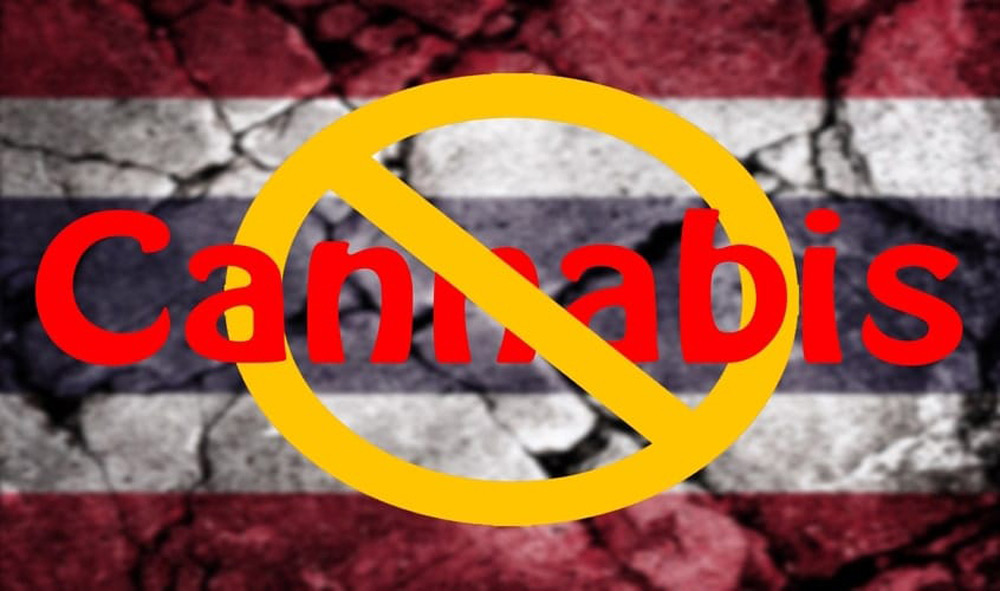
For Premium seed banks and EU-based brands specialising in Feminized Seeds, policy shifts in key markets are less about immediate expansion and more about regulatory risk management. Thailand is a clear case: after a period of rapid liberalisation, the country is now tightening control again, and anyone tracking Thailand’s cannabis laws 2026 needs a concise, business-focused overview of what the new “crackdown” means.
Disclaimer: This article is for general informational purposes only and does not constitute legal, medical, or financial advice. Cannabis laws are subject to frequent changes, and readers are fully responsible for complying with all applicable regulations. Pars Planet operates within the legal framework of the European Union. Any references to cannabis seeds or related products apply exclusively to regions where such items are permitted by law.
From Liberalisation to Crackdown – How Thailand Got Here
Key milestones in Thailand’s cannabis law (2018–2025)
In 2018, Thailand legalised medical cannabis under strict controls, positioning the plant as a regulated therapeutic tool. The decisive turning point came in 2022, when cannabis was removed from the national narcotics list. Decriminalisation unleashed rapid commercial growth: dispensaries opened quickly, product variety expanded, and international media framed Thailand as a newly tolerant cannabis market.
By 2023–2024, policymakers raised concerns about uncontrolled retail expansion, inconsistent product quality, and gaps in enforcement. In 2025, the government signaled a clear shift back towards tighter regulation and a more conservative approach to cannabis policy.
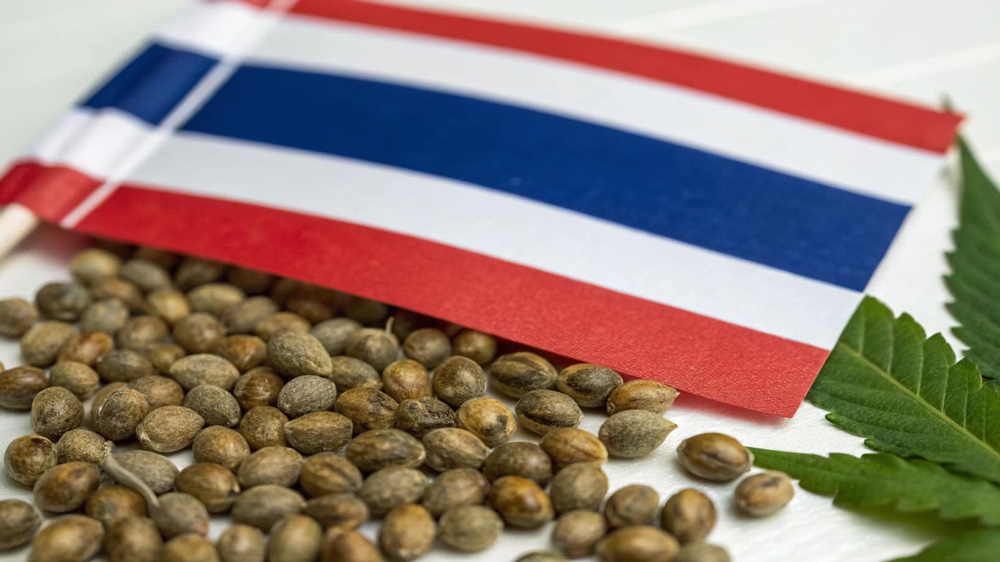
Why the “green rush” triggered a policy reversal
The “green rush” brought investment and tourism, but also regulatory pressure. Authorities highlighted three main issues:
- Public health: easy access and visible public consumption created concern.
- Political commitments: the administration had promised to restore order and limit recreational use.
- International image: Thailand did not wish to be seen as a casual cannabis tourism hub.
These dynamics pushed the country towards a controlled, medical-first model, defining the direction of Thailand’s cannabis laws 2026.
The New Medical-Only Framework – What Is Already in Place
Prescription rules, eligible doctors, and patients
Under the current Thailand medical cannabis rules 2026, cannabis is legal only within a regulated medical framework. Patients require a valid prescription from a licensed healthcare professional in Thailand. Recreational use is not recognised in law, and casual retail transactions fall outside the model.
For businesses, any compliant activity must be aligned with healthcare structures, rather than being positioned as lifestyle or leisure consumption.
What dispensaries, growers, and clinics must comply with
Dispensaries are expected to operate as medical outlets. Licensing, audited supply chains, documented sourcing, and product testing form the core of compliance. Many shops that emerged after decriminalisation have already closed or are in transition, as regulators reduce the number of active outlets and prioritise traceability.
Growers and clinics face similar expectations: controlled facilities, quality standards, and transparent reporting. The environment is moving from opportunity-driven expansion to regulated, documentation-heavy operations.
Rules for tourists, residents, and cross-border movement
When assessing Thailand’s cannabis laws for tourists, the message is straightforward: visitors should not expect casual access. Any legal use would have to occur through the medical system, under Thai rules, and is tightly constrained.
Cross-border movement is even more rigid. Bringing cannabis or seeds into or out of Thailand is prohibited, even where such items are legal in the traveller’s home country. Attempting to transport products from EU markets into Thailand falls squarely into a high-risk legal category.
What to Expect in 2026 – Scenario-Based Outlook
Baseline scenario – a stricter, fully operational medical-only market
The most likely scenario for 2026 is a consolidated, medical-only market. Regulations introduced in 2025 become embedded, enforcement patterns stabilise, and the answer to “Is cannabis legal in Thailand 2026?” becomes clear: legal only under medical supervision, with little room for recreational interpretation.
In this scenario, the Thai cannabis industry in 2026 is smaller but more structured. Remaining operators function as part of a healthcare-oriented supply chain, rather than a consumer retail ecosystem.
Enforcement scenario – narcotic reclassification and higher penalties
A more restrictive path would involve reclassifying cannabis as a narcotic. If this occurs, consequences could include:
- Higher penalties for non-prescription possession
- Stronger sanctions against unlicensed sales
- Increased policing of public spaces and tourism areas
For businesses and investors, this scenario signals heightened legal risk and reduced predictability, making long-term positioning in Thailand challenging.
Managed adjustment scenario – controlled easing within the medical model
An intermediate outcome is also possible. In this scenario, the government maintains a strict medical focus while refining its implementation. Licensing processes become clearer, compliance expectations more transparent, and compliant operators function within defined boundaries.
From a B2B perspective, this still excludes a recreational market but offers a more stable environment for medical supply, research, and related services.
Implications for Industry, Investors, and International Partners
What 2026 means for Thai dispensaries and growers
For local businesses, the impact of the cannabis crackdown is already visible. Dispensaries that cannot meet new standards are closing or restructuring. Growers who wish to remain active must adapt to medical sourcing requirements and stricter oversight.
In 2026, only operators capable of managing compliance, documentation, and capital requirements are likely to remain in the market.
Lessons for EU and global cannabis businesses
For EU and global stakeholders, Thailand illustrates how volatile cannabis policy can be. A rapid shift from decriminalisation to renewed restriction shows that legal frameworks are politically sensitive and reversible.
Key lessons include:
- Build assumptions around regulatory caution, not liberalisation momentum.
- Diversify market exposure to avoid over-reliance on emerging jurisdictions.
- Treat legal analysis and compliance as core strategic functions.
Why EU-based seed and cannabis companies must watch Thai policy – but not treat it as a market
Firms operating in regulated EU environments—especially genetics-focused organisations and Premium seed banks working with advanced Feminized Seeds—should primarily follow Thailand for insight, not access. Current and foreseeable rules do not support conventional seed marketing into Thailand, and bringing cannabis or seeds into or out of Thailand remains prohibited.
The responsible position is to observe developments for policy learning while keeping commercial activities strictly within lawful regions.
Staying Compliant and Informed
This article is not legal or medical advice.
This overview cannot replace tailored counsel. Regulations evolve, and interpretations may change in response to new political or judicial developments. Readers must seek up-to-date information from official Thai authorities, embassies, and qualified advisors.
How travellers and businesses can stay up to date
To track changes in the Thailand cannabis law timeline, stakeholders should:
- Monitor official Thai government and health ministry announcements
- Follow embassy advisories and international travel guidance
- Consult reputable legal and policy analysis outlets
Key reminders for 2026
- Legal access is restricted to regulated medical contexts.
- Tourists should not assume they can purchase or consume cannabis casually.
- Cross-border transport of cannabis or seeds to or from Thailand is prohibited.
- The domestic industry is shrinking in size but increasing in regulatory density.
Key Takeaways for 2026
By 2026, Thailand’s cannabis laws 2026 are expected to reflect a controlled, medical-centric framework rather than a broad consumer market. A cautious, enforcement-driven approach has replaced the liberal, fast-growing phase seen after decriminalisation.
For industry stakeholders, compliance teams, and investors, Thailand serves as a case study in regulatory reversals: liberalization can be temporary, and long-term planning must prioritize legal certainty and risk awareness. Watching Thailand’s cannabis crackdown through a B2B lens helps organisations refine strategy, strengthen internal governance, and ensure that all activities remain aligned with the laws of each jurisdiction in which they operate.