



Blog
Hybrid Hemp Genetics: A Pathway to Product Diversity and Natural Innovation

In the rapidly evolving hemp industry of 2026, hybrid hemp genetics represent a game-changing advancement, blending diverse parent lines to create versatile plants that drive hemp product diversity, genetics, and fuel natural hemp innovation. By crossing high-CBD industrial hemp varieties with select low-THC cannabis genetics (or resilient landraces), breeders produce hybrid hemp strains that offer expanded cannabinoid ratios, richer terpene profiles, improved agronomic traits, and adaptability to varied climates — all while staying compliant with legal THC thresholds (<0.3% Delta-9 THC in most jurisdictions, including EU standards).
These hybrids unlock new possibilities for end products: from premium CBD extracts and full-spectrum oils to innovative CBG/CBDV isolates, terpene-rich wellness formulations, fiber/textile enhancements, grain for food uses, and even dual- or triple-purpose (cannabinoid + fiber + seed) crops. As consumer and industrial demand for sustainable, multifunctional hemp grows, hybrid hemp genetics bridge traditional industrial applications (rope, paper, bioplastics) with modern wellness, nutraceutical, and biotech sectors, promoting genetic biodiversity, environmental resilience, and rapid market expansion.
If your focus is on hybrid hemp strains or hemp genetics diversity, 2026 is significant. Breeders worldwide are accelerating the development of sophisticated crosses that enhance genetic stability, disease resistance, drought tolerance, and novel chemistries. These advancements help the hemp sector align with EU sustainability targets while delivering value to researchers, collectors, and permitted cultivators.
For those tracking standout lines, breeders like Cipher Genetics excel at creating premium hybrids. Their focus on exotic terpene profiles and vigorous growth drives advancements in compliant hemp-derived genetics.
Why Hybrid Hemp Genetics Are Transforming the Industry in 2026
Historically, hemp genetics were relatively narrow, prioritizing either fiber quality (e.g., monoecious European varieties) or basic high-CBD production (e.g., early U.S. industrial lines). Hybridization changes this by systematically introducing broad genetic diversity through controlled crosses that combine sativa-dominant vigor, indica structure, ruderalis autoflowering traits, and ancient landraces from regions like Asia, Africa, and South America.
The result? Plants exhibiting strong hybrid vigor (heterosis), leading to:
- Faster vegetative growth and higher overall biomass.
- Customized cannabinoid and minor-cannabinoid profiles (e.g., elevated CBD:CBG ratios, emerging CBC, CBN, or THCV expressions).
- Diverse, complex terpene suites for distinctive aromas, flavors, and entourage effects in final products.
- Superior environmental tolerance — better performance under drought, extreme heat, cold snaps, pests, and fungal pressures.
- Greater uniformity, predictability, and stability across generations — crucial for large-scale commercial farming.
This genetic expansion directly powers the diversity of hemp product genetics. Processors and brands can now source feedstock precisely matched to end use: ultra-high-CBD material for broad-spectrum tinctures and topicals; CBG/CBDV-dominant lines for specialized anti-inflammatory or neuroprotective formulations; aromatic hybrids for premium vape cartridges, edibles, beverages, and cosmetics; or fiber-optimized hybrids for sustainable textiles and construction materials.
In 2026, market trends show explosive interest in exotic, THCA-compliant hemp hybrids incorporating rare landrace influences (e.g., Thai, Colombian, or Moroccan genetics stabilized into low-THC phenotypes). These often push total terp. In 2026, demand is growing for exotic, THCA-compliant hybrids with landrace genetics (Thai, Colombian, Moroccan) stabilized for low-THC. These offer terpene content above 4–5%, unique colors, and full-spectrum or live-resin products, rivaling premium cannabis while remaining legal hemp. Key Advantages of Hybrid Hemp Strains

Hybrid hemp strains provide multifaceted, real-world benefits:
- Cannabinoid Flexibility & Potency: Many CBD hybrid hemp lines now routinely reach 15–25%+ total cannabinoids with finely tuned ratios (e.g., 20:1, 10:1 CBD:THC, or balanced CBG/CBD).
- Terpene & Flavor Innovation: Intentional crosses introduce candy, tropical fruit, diesel, pine, or earthy notes — transforming bland industrial extracts into premium, consumer-favorite profiles.
- Agronomic Resilience & Adaptability: Deep root systems, thicker leaf cuticles, natural pest deterrence, and mold resistance enable successful outdoor cultivation across diverse EU microclimates (from Mediterranean heat to Nordic cool/humid).
- Yield & Multi-Purpose Efficiency: Increased biomass supports higher returns per hectare in fiber, seed oil, and cannabinoids simultaneously — enabling profitable dual/triple-use farming.
- Sustainability & Eco-Impact: Reduced need for irrigation, fertilizers, and pesticides; improved soil cover and biodiversity; alignment with regenerative agriculture practices.
- Market & Economic Expansion: Enables the launch of novel product categories. Hybrids reduce irrigation, fertilizer, and pesticide needs, improve soil cover and biodiversity, and align with regenerative agriculture. Hemp Innovations in 2026
Current standout hybrid developments include:
- High-CBD sativa-leaning hybrids for uplifting, daytime wellness extracts with energizing terps.
- CBG/CBDV-dominant crosses optimized for targeted applications like muscle recovery or metabolic support.
- Aromatic, boutique-style hybrids merging popular cannabis flavors (e.g., Gelato-inspired sweetness or citrus bursts) with industrial robustness.
- Triploid/polyploid hemp variants (plants with three or more sets of chromosomes, leading to seedlessness and higher yields) produce seedless, high-resin flowers for maximum extract efficiency.
- Dual-purpose lines balancing premium fiber quality with solid cannabinoid/seed yields.
These examples illustrate the shift from commodity hemp to differentiated, value-added genetics that mirror premium cannabis breeding but remain fully compliant.
Growing Tips for Hybrid Hemp Success
Realizing the full potential of these examples shows the shift from commodity hemp to value-added genetics that mirror premium cannabis breeding while remaining compliant. Post or cover crops to build organic matter and support root health.
- Planting & Spacing: Use feminized or highly stable hybrids; optimize spacing (1–2 m between plants) for airflow and light penetration.
- Nutrient Strategy: Balanced vegetative feeds (higher N), then switch to bloom formulas rich in P/K and micronutrients to boost cannabinoid/terpene production.
- Water & Stress Management: Employ deficit irrigation techniques to enhance resilience and concentrate compounds; mulch heavily to conserve moisture.
- Pest & Disease Monitoring: Leverage hybrids’ natural vigor; use integrated pest management (IPM), a strategy that combines biological controls like beneficial insects and neem-based treatments rather than broad-spectrum chemicals.
- Harvest & Post-Processing: Time cuts for peak cannabinoid maturity via trichome inspection; dry slowly (10–14 days at 18–22°C, 45–55% RH) and cure properly to preserve delicate terpenes.
These best practices help unlock superior quality and yield from hybrid material.
The Future of Natural Hemp Innovation
Hybridization is accelerating natural hemp innovation at an unprecedented pace. As genomic tools (marker-assisted), these practices help optimize quality and yield from hybrid hemp. ultra-rare cannabinoid profiles, climate-specific regional cultivars, and seamless integration of hemp into biotech and pharmaceutical pipelines. Hemp is poised to become a true cornerstone of green, circular economies — delivering economic, environmental, and health benefits worldwide.
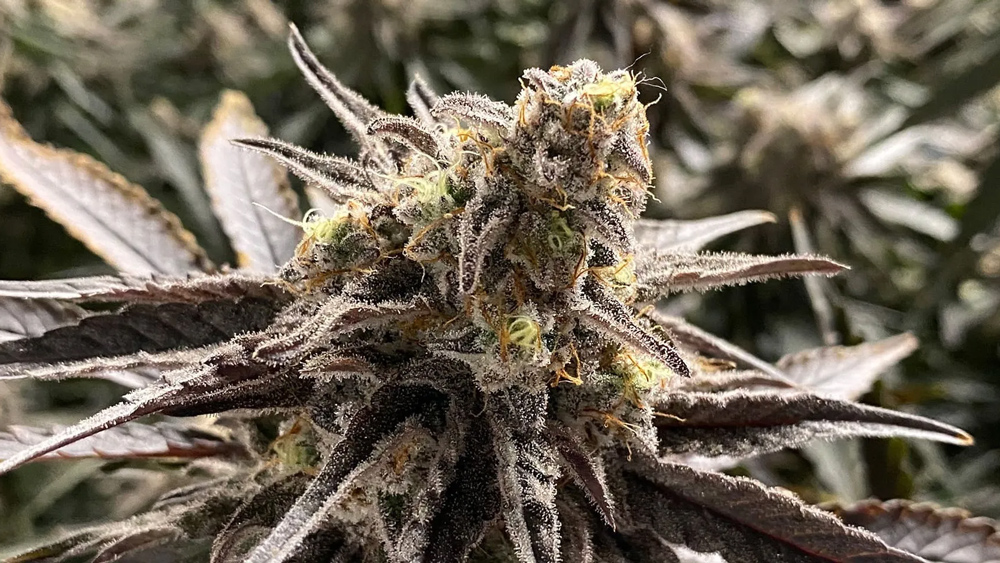
Explore Hybrid Hemp Genetics at Pars Planet
Ready to discover these versatile, innovative lines? Premium hybrid hemp genetics and hybrid hemp strains reflecting the latest 2026 breakthroughs are available now at Pars Planet. Enjoy discreet worldwide shipping, secure payment options, and our unwavering commitment to stable, high-quality genetics.
These seeds are sold strictly as souvenirs, collectibles, or for adult (18+) preservation, education, and genetic study, where permitted. They contain negligible THC and are not intended for germination or cultivation except where explicitly allowed by local law. Always research and fully comply with your country’s or region’s regulations — laws vary significantly across the EU and beyond.
Secure your hybrid hemp genetics today and be part of the exciting wave of natural, sustainable innovation.