



Blog
Stress-Resilient Genetics for Agricultural Sustainability

Accelerating climate change is reshaping agriculture, confronting farmers with unprecedented droughts, temperature extremes, erratic rainfall, heat waves, and heightened pest pressure. For cannabis growers—whether cultivating for industrial hemp, medical, or collectible purposes—stress-resilient genetics are emerging as a cornerstone of sustainable farming. These advanced resilient cannabis strains enable growers to maintain consistent yields, quality, and potency even under adverse conditions, reducing resource use, minimizing crop failures, and supporting long-term environmental stewardship.
Breeders worldwide are prioritizing sustainable cannabis breeding to develop varieties that thrive with less water, tolerate heat and cold extremes, resist mould in humid zones, and recover quickly from environmental shocks. This shift isn’t just about survival; it’s about building a more eco-friendly industry that aligns with EU sustainability goals, such as reducing water consumption, lowering carbon footprints through efficient outdoor/greenhouse models, and preserving biodiversity. Brands like Barney’s Farm have long championed hardy, reliable genetics — with strains that demonstrate natural tolerances and robust structures, setting high standards for performance in challenging environments.
If you’re exploring stress-resistant cannabis genetics, resilient cannabis strains, drought-resistant marijuana, climate-resilient hemp genetics, or sustainable cannabis breeding, 2026 marks a pivotal year. Forward-thinking seedbanks are releasing lines bred specifically for resilience, helping collectors and permitted growers adapt to a changing climate while emphasizing stability and vigour.
Why Stress-Resilient Genetics Matter in 2026
Climate models predict more frequent extremes across Europe: hotter summers in the south, wetter winters in the north, and unpredictable patterns everywhere. Traditional cannabis varieties often suffer yield losses of 30–50% under drought or heat stress, while pests and mould thrive in shifting conditions.
Stress-resilient genetics address this by incorporating traits like:
- Efficient roots improve water and nutrient uptake, even in poor soils.
- Thicker cuticles and waxy leaves reduce water loss and UV harm.
- Fast recovery from damage or stress.
- Open, airy bud structures to deter mould and bud rot in high-humidity areas.
- Natural pest and disease resistance reduces the need for pesticides.
These traits promote sustainable cannabis breeding — fewer inputs, lower energy for indoor mitigation, and viable outdoor/greenhouse options that harness natural sunlight. In the EU, where regulations emphasize eco-friendly agriculture (e.g., Common Agricultural Policy incentives for low-impact crops), resilient hemp and cannabis lines support carbon sequestration, soil health, reduced desertification risks, and even biodiversity enhancement through cover cropping potential.
Hemp, in particular, shines as a climate-resilient hemp genetics model: fast-growing, weed-suppressive, low-input, and capable of thriving on marginal lands while sequestering substantial CO₂ per hectare.
Key Traits of Top Stress-Resilient Cannabis Strains
Modern resilient lines draw from diverse landraces (e.g., Afghan, Durban, Thai, Moroccan) crossed with high-performance hybrids. Standout characteristics include:
- Drought tolerance: Needs less water, has deep roots, and retains turgor under stress.
- Heat resistance: Handles 30–35°C, maintaining terpene integrity.
- Cold hardiness: Recovers from below 10°C with minimal setback.
- Mould & Pest Resistance: Airy colas, antifungal terpenes (e.g., limonene, pinene), and vigorous growth that outcompetes pathogens.
- Yield stability: Consistent yields even under stress, 500–800 g/m² indoors, 400–1000 g/plant outdoors.
Popular resilient examples in 2026 catalogues (updated with recent breeding trends):
- Critical Kush (robust mould resistance, quick finish, high yields even in variable weather).
- Tangerine Dream (Afghan/Haze heritage for arid heat tolerance, citrus terps intact under stress).
- Northern Lights derivatives (frost-resistant, stable in cold snaps, excellent recovery).
- Durban Poison hybrids (sativa vigour for hot/dry zones, natural pest deterrence).
- White Widow variants (overall toughness, shrugs off pests and temperature swings).
- Newer 2026 highlights: Hyper Za (resilient, fast-flowering, high-THC with disease resistance), Puff Pastry (adaptable sativa-dominant, exceptional yields in diverse environments), Blueberry Muffin (calming terps with stress tolerance), and F1 hybrids like Hyperion or Apollo (superior uniformity and multi-stress resistance).
Autoflowers excel here too — shorter cycles dodge late-season risks, making them ideal for short EU summers or unpredictable weather.
Benefits of Sustainable Cultivation
Choosing stress-resistant cannabis genetics delivers tangible advantages:
- Water Savings: Drought-tolerant lines cut irrigation by 30–50%, vital in water-stressed southern Europe.
- Energy Efficiency: An outdoor/resilient greenhouse uses less electricity than an indoor HVAC system, lowering emissions.
- Lower Inputs: Natural resistance reduces the need for fungicides/pesticides, supporting organic and regenerative practices.
- Yield Reliability: Fewer crop failures mean a more stable supply for collectors or permitted personal use.
- Climate Adaptation: Enables cultivation in marginal lands, aiding soil regeneration and preventing erosion.
- Carbon Footprint Reduction: Hemp/cannabis sequesters CO₂ effectively; resilient strains maximize biomass without extra tillage or fertilizers.
In 2026’s EU landscape — with expanded personal cultivation allowances in Germany, Czechia, and beyond — these genetics empower responsible, low-impact grows within legal limits, contributing to broader sustainability targets.
Growing Tips for Maximizing Resilience Genetics
To unlock full potential in real-world conditions:
- Site Selection: Match strain to local climate (sativa-lean for southern/hot zones, indica for northern/cooler areas).
- Soil & Amendments: Use living soil, organic coco, or amended native soil; incorporate mycorrhizae and beneficial bacteria for enhanced drought tolerance and root health.
- Water Management: Practice deficit irrigation to train resilience; apply mulch to retain soil moisture and moderate root temperatures.
- Training Techniques: LST, SCROG, or main-lining improve airflow and light penetration, reducing mould risk in humid zones.
- Monitoring & Adjustments: Regularly check trichomes (60–70% milky for peak potency); avoid overfeeding under stress to prevent nutrient lockout.
- Advanced Resilience Boosts: Introduce mild, controlled stresses (e.g., low-level drought in veg) to epigenetically enhance tolerance without yield loss.
Slow, low-temp dry (10–14 days) and extended cure (4+ weeks) preserve terpenes developed under environmental pressure.
The Future of Resilient Breeding
Breeders increasingly use selective phenotypic hunting, marker-assisted selection, genomic tools, and even AI-driven modelling to accelerate the development of resilient traits while preserving potency, flavour, and cannabinoid profiles. Focus is shifting toward regional adaptation — varieties tailored to specific EU latitudes, microclimates, and soil types. As climate variability intensifies, stress-resilient genetics will bridge high-quality cannabis with true environmental responsibility, potentially integrating more hemp-cannabis hybrids for dual-purpose (fibre + cannabinoid) sustainability.
Explore Resilient Genetics at Pars Planet
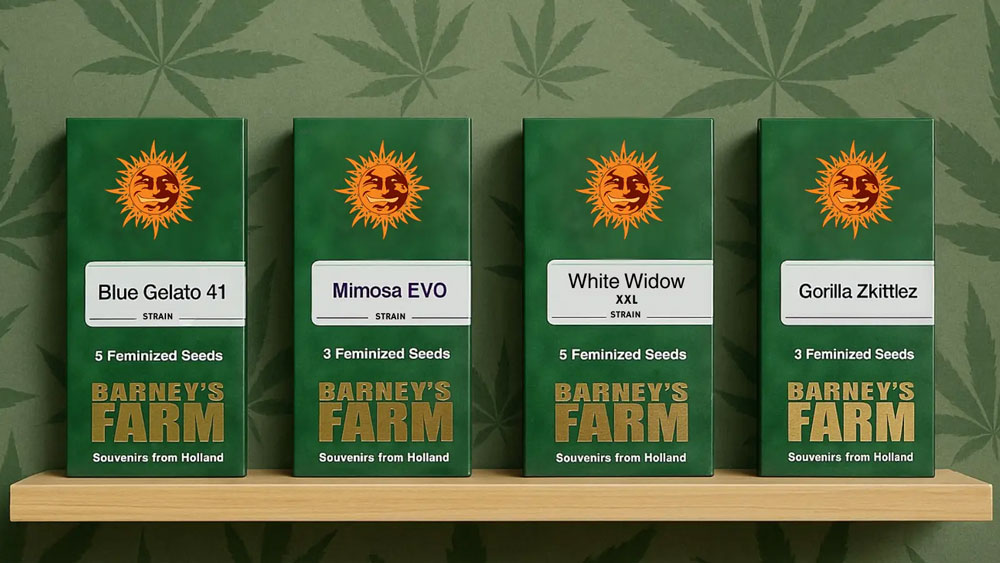
You can build a future-proof collection with premium stress-resilient genetics and resilient cannabis strains from top breeders, available at Pars Planet. Enjoy discreet worldwide shipping, secure payments, and a focus on stable, high-quality lines.
These seeds are sold strictly as souvenirs, collectibles, or for adult (18+) preservation, education, and genetic study, where permitted. They contain negligible THC and are not intended for germination or cultivation except where explicitly allowed by local law. Always research and fully comply with your country’s or region’s regulations — laws vary significantly across the EU and beyond.
Secure resilient strains today and contribute to a more sustainable cannabis future.